

Introduction to the ashwagandha plant
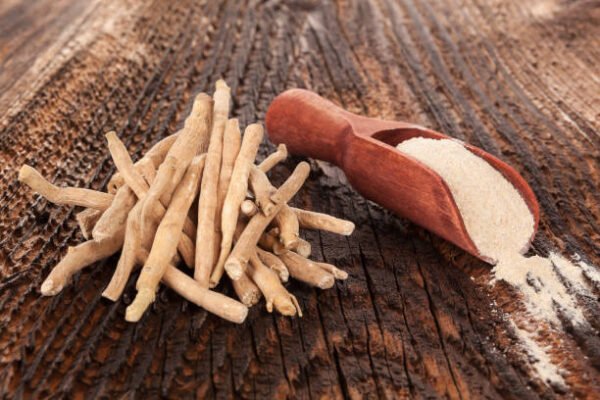
The ashwagandha plant, also known as ashwaganda or Withania somnifera, is recognized as one of the most widely used plants in traditional Indian medicine (Ayurveda). This plant has been used for several centuries in India to support general wellbeing, strengthen the body’s vitality and help manage stress. In this article, we will discover the strengths of this plant, how to use it and its precautions, along with real-world experiences from users.
What are the strengths of the ashwagandha plant?
Helping to manage stress
Ashwagandha is among the natural plants widely used to help manage stress. It contains active compounds that help the body cope better with cortisol, the stress hormone, thereby contributing to calm and a sense of wellbeing.
Supporting energy and endurance
Beyond its role in managing stress, ashwagandha tablets are used to support energy and physical endurance. This plant is valued by people who feel tired or who wish to support their athletic performance.
Supporting memory and concentration
Some studies suggest that ashwagandha may support cognitive functions such as memory and concentration. The plant is thought to support the wellbeing of the brain by helping protect cells against oxidative stress.
Supporting men’s vitality
Some research is looking at the role of ashwagandha in supporting men’s vitality. The plant is traditionally associated with men’s wellbeing and vitality, making it a valued natural ally.
What are the precautions with the ashwagandha plant?
Possible side effects
Despite its many strengths, ashwagandha may have a few side effects to consider. Some people may experience digestive upset such as nausea or diarrhea. In addition, high doses of the plant may influence the activity of the thyroid gland.
Drug interactions
It is important to seek the advice of a healthcare professional before starting to take ashwagandha tablets, especially if you take certain medications. This plant may interact with some treatments, such as medications that act on mood or on the endocrine system.
How to use the ashwagandha plant?
Ashwagandha tablets
Ashwagandha tablets are the most common form. Doses of between 300 and 500 mg per day are generally recommended to enjoy its strengths. It is best to take the tablets with a meal to avoid any stomach discomfort.
Ashwagandha tea
You can also prepare an ashwagandha tea by steeping the plant’s powder in water for 10 to 15 minutes. This tea is a natural soother that can be drunk before bed to support quality sleep and encourage relaxation.
Ashwagandha supplements
Ashwagandha supplements come in powder or capsule form. They can be added to a juice or a tea. It is important to start with small doses and increase them gradually as needed.
My experience with the ashwagandha plant
Many people have shared positive experiences with ashwagandha, reporting that it helped them feel better, mentally and physically. Some users emphasized that it helped them manage stress better and regain energy, while others reported a heightened sense of vitality.
Testimonials
- My experience with ashwagandha (man): one user reports noticing a boost in energy and an improvement in his athletic performance after using ashwagandha tablets for two months.
- My experience with ashwagandha (woman): another user says it helped her manage stress better and improve her sleep.
The difference between ashwagandha and valerian
Ashwagandha and valerian are two plants commonly used to help manage stress and improve sleep quality, but each has different properties and effects.
- Ashwagandha: more oriented toward supporting energy, accompanying the nervous system and supporting athletic performance.
- Valerian: known for its soothing properties, mainly used to improve sleep quality and encourage relaxation.
Frequently asked questions about the ashwagandha plant
What are the strengths of ashwagandha for men?
Ashwagandha is traditionally associated with supporting men’s vitality and accompanying athletic performance.
What are the possible precautions with the ashwagandha plant?
Despite its strengths, ashwagandha tablets may cause a few side effects, such as digestive upset, and may influence the activity of the thyroid gland at high doses.
How can I use the ashwagandha plant safely?
You can use ashwagandha tablets or supplements at small doses to begin with, increasing them gradually as needed. It is best to seek the advice of a healthcare professional before starting.
Is ashwagandha suitable for daily use?
Yes, ashwagandha can be used daily at appropriate doses, but it is best to seek the advice of a healthcare professional, especially if you take other medications.
What is the difference between ashwagandha and valerian?
While ashwagandha supports energy and accompanies the nervous system, valerian is mainly used to improve sleep and encourage relaxation.
What is my experience with the ashwagandha plant?
Personal experiences with ashwagandha vary from person to person, but many people have reported a marked improvement in their wellbeing, mental and physical, after using it.
Conclusion: should you use the ashwagandha plant?
Ashwagandha is among the natural supplements that offer several wellbeing strengths, including help with managing stress and support for energy and vitality. If you are looking for a natural way to support your wellbeing, ashwagandha may be a suitable option. It is best to seek the advice of a healthcare professional before starting, to make sure it fits your needs.
If you are looking for natural dietary supplements to support your wellbeing and daily vitality, we invite you to visit the Natural VitalisPro Dietary Supplements page to care for your health naturally.
